
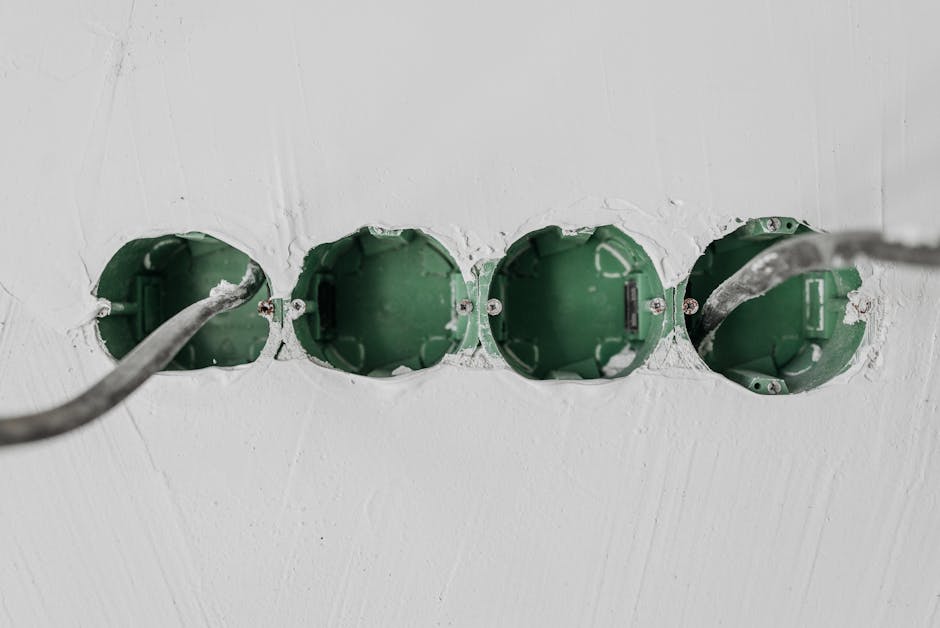
Understanding the differences between GFCI and regular outlets is crucial for ensuring electrical safety in your home. GFCI outlets are designed to protect against electrical shock, while regular outlets serve a different purpose. In this article, we will delve into the specifics of each type of outlet, their unique features, and when you might need to consider upgrading to GFCI outlets in your Vienna VA home.
Introduction to Outlets
Electrical outlets are a fundamental component of any home, providing the necessary access to electricity for various devices. In Vienna VA, where homes may vary in age and electrical standards, understanding the types of outlets available is essential for safety and compliance. Regular outlets are commonly used for everyday appliances, while GFCI outlets are specifically designed for use in areas where moisture is present, such as kitchens and bathrooms.
What is a GFCI Outlet?
A Ground Fault Circuit Interrupter (GFCI) outlet is a safety device that cuts off electrical power when it detects an imbalance in electrical current. This feature is crucial in preventing electrical shocks, especially in wet areas. GFCI outlets are required by code in areas where water and electricity may come into contact, such as:
- Bathrooms
- Kitchens
- Garages
- Outdoor areas
In Vienna VA, installing GFCI outlets can significantly enhance the safety of your home. They are identifiable by the reset and test buttons located on the face of the outlet.
What is a Regular Outlet?
Regular outlets, also known as standard duplex outlets, are the most common type of electrical outlet found in homes. They provide a direct connection to the electrical supply without any built-in safety features like those found in GFCI outlets. Regular outlets are suitable for a wide range of devices, from lamps to televisions, but they do not offer the same level of protection against electrical faults.
In older homes, regular outlets may be the only option available. However, as electrical codes evolve, homeowners are encouraged to consider upgrading to GFCI outlets in critical areas.
Key Differences Between GFCI and Regular Outlets
Here are the primary differences between GFCI and regular outlets:
- Safety Features: GFCI outlets have built-in protection against electrical shock, while regular outlets do not.
- Location Requirements: GFCI outlets are required in specific locations by electrical code, whereas regular outlets can be installed anywhere.
- Cost: GFCI outlets tend to be more expensive than regular outlets, but the added safety can justify the cost.
- Reset Mechanism: GFCI outlets feature a reset button, which is absent in regular outlets.
These differences highlight the importance of choosing the right outlet type for your specific needs. For example, if you frequently use appliances near water sources, opting for GFCI outlets is a wise decision.
Common Mistakes
Many homeowners make common mistakes regarding outlet installation and maintenance. Here are a few to avoid:
- Not installing GFCI outlets in required areas, such as bathrooms and kitchens.
- Using regular outlets in outdoor locations.
- Failing to test GFCI outlets regularly to ensure they function correctly.
- Ignoring signs of wear and tear on outlets, which can lead to safety hazards.
By being aware of these mistakes, you can take proactive steps to maintain a safe electrical environment in your home.
When to Call a Professional
If you are unsure about the type of outlets in your home or need assistance with installation, it's best to consult a professional. Vienna Electric Pros can help assess your electrical needs and ensure your home meets safety standards. Upgrading to GFCI outlets can be a straightforward process when handled by experienced electricians.
Frequently Asked Questions
What is the purpose of a GFCI outlet?
A GFCI outlet is designed to protect individuals from electrical shock by cutting off power when it detects an imbalance in the electrical current.
Can I replace a regular outlet with a GFCI outlet?
Yes, you can replace a regular outlet with a GFCI outlet, especially in areas where water is present. It's advisable to consult a professional electrician for proper installation.
How often should I test my GFCI outlets?
It is recommended to test your GFCI outlets monthly to ensure they are functioning correctly. Most GFCI outlets have a test button for this purpose.
Are GFCI outlets more expensive than regular outlets?
Yes, GFCI outlets typically cost more than regular outlets due to their safety features. However, the investment is worthwhile for the added protection they provide.
Where should I install GFCI outlets?
GFCI outlets should be installed in areas where water and electricity may come into contact, such as kitchens, bathrooms, garages, and outdoor spaces.